

The deal versus the file.
This one fascinates me, because when you say it plainly it doesn't quite add up.
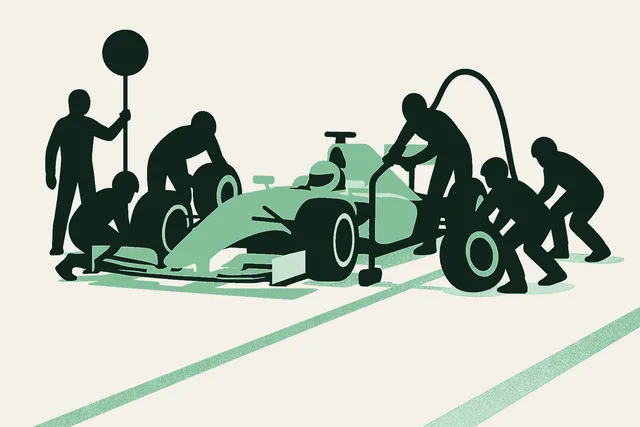
The agent does all the work. The negotiation, the coordination, the problem solving, the hundred small decisions that move a transaction from offer to close. That's the deal.
Then there's the file: the record that proves the work was done correctly. Disclosures, signatures, dates, the paper trail a broker or a regulator can follow.
Both matter. Here's the odd part. We ask the agent to connect them by hand.
Why is that arrangement strange?
Because the file is a description of work the agent already did.
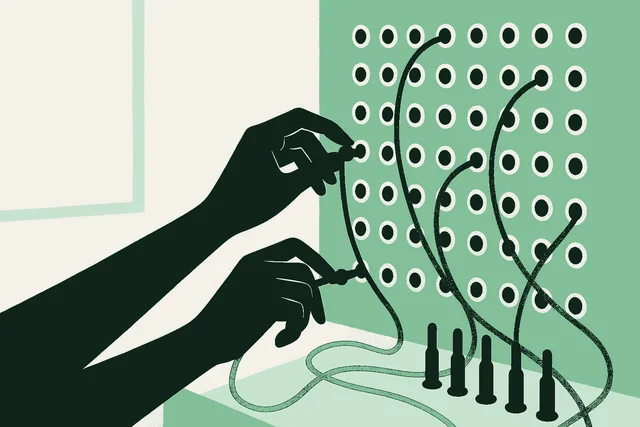
Every document in it corresponds to something that actually happened. The agent was there. The system watched none of it, so afterward the agent has to go back and tell the system what occurred, in the system's preferred format, on the system's schedule.
That's not the agent doing their job. That's the agent doing the software's job.
What does that cost?
Time, obviously, and always at the end of the day when the real work is done. But there's a second cost that's easier to miss: the file gets built from memory rather than from the event.
Anything reconstructed after the fact is thinner than what happened. That's the same problem I described in connecting what the agent lived to what the broker sees, and it's why so much of the context that made a deal make sense never reaches the record at all.
So what should it look like instead?
The file should be a natural result of the deal, not another job of the deal.
Picture two rivers meeting. The work is one current and the record is the other, and they should join into a single natural flow rather than being carried between banks by hand.
If the work is happening anyway, the record of it should form as a byproduct. Not a report the agent writes about the transaction, but a record that accumulates because the transaction occurred. The agent's attention stays on the deal, where it belongs. The file stays accurate, because it was built from events rather than recollection.
A natural deal flow is genuinely hard to build. It's also the right target, and I think it's what separates software that helps from software that adds a chore. Like the coordination work nobody is assigned, the file assembly has quietly become the agent's problem by default.
We need to do better.
Quick takes
What is the difference between the deal and the file in real estate?
The deal is the actual work: negotiation, coordination, and the decisions that move a transaction to close. The file is the record proving that work was done correctly. Both matter, but agents are asked to connect them manually.
Why is manual file assembly a problem for agents?
It costs time at the end of the day, and it builds the record from memory instead of from events. Anything reconstructed afterward is thinner than what actually happened, so context that made the deal make sense never reaches the file.
How should AI handle the transaction file?
Judd Hoffman argues the file should be a natural result of the deal rather than another job of the deal: a record that accumulates because the transaction occurred, keeping the agent's attention on the work and the file accurate.
Sources
- Great AI Is a Connector: Judd's previous episode on linking what the agent lived to what the broker sees. This one goes further: the file should form itself from the work.
- Transactions Are a Team Sport: On the coordination work that lives in nobody's job description, the same category of invisible labor as assembling the file by hand.
Transcript
59 words
The deal versus the file. This always fascinates me. The agent actually does all the work. The file proves that the work was done correctly, but somehow we make the agent manually connect those two things. AI should make the transaction file a natural result of the deal, not another job of the deal. We need to do better.