I Wouldn't Want to Be 18 Right Now
Study a certain thing and the job was waiting for you later. That was the deal, and it held long enough that people stopped noticing it was a deal at all. It doesn't clearly hold now.
Judd Hoffman

 FREEDo the work
Your AI assistant for C.A.R. forms, by voice or chat. Free for C.A.R. members.
 NEWHave it handled
Full-service transaction coordination. Real people, with AI behind them. $349 per side.
Call Ethica (714) 909-2027 Get startedPerspectives on voice AI, real estate technology and the future of transaction management.
Study a certain thing and the job was waiting for you later. That was the deal, and it held long enough that people stopped noticing it was a deal at all. It doesn't clearly hold now.
Asked why C.A.R. made Ethica a member benefit, its CEO gave a reason about the association rather than the software.
Every company that mattered was built on something that wasn't true yet. This one is built on the assumption that AI models keep getting better, which is about as good as a bet gets right now.
AI can organize the file, spot what's missing, and chase the thing nobody remembered. It still doesn't get a vote. The negotiation, the advice, and the hard conversations belong to the agent.

Nobody judges a technology in the abstract. They judge what it did to them. That is why the same capability can read as a relief to one person and a threat to the next, and why the argument is never really about the technology.
Asked how Ethica changes an agent's transaction, C.A.R.'s CEO declined the premise. A smaller claim, and a more checkable one.
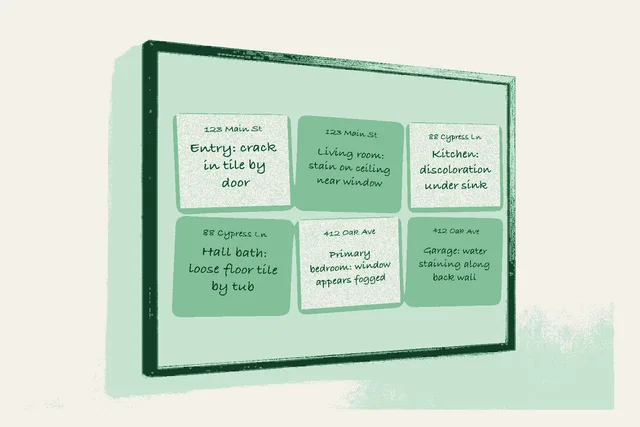
An agent spots a water stain in the hallway and writes it on a sticky note. By the time the disclosure gets written, the honest version of what happens next is that they go looking for the note, and hope it still makes sense.

Plenty of people say AI is going to replace agents. Almost nobody who has actually closed a deal says they didn't need one. They say they found the house themselves, and then they tell you what happened next.

A professor can post two hours on a door and let the rest wait. A transaction doesn't hold still like that. The lender calls during the soccer game, and the choice is step out of your life or let the deal lose a day.
Agents are bet against constantly. So is AI. In both cases the reputation is the part that's wrong, and the profession with the worst PR is the one quietly holding every transaction together.
A form filler either supports a form or it does not. An assistant gets taught one job at a time. Judd Hoffman on which one Ethica is, and what the difference costs.

No news is good news works in plenty of jobs. In a transaction, silence reads as nobody driving, and the client fills the gap with the worst thing they can imagine. Three questions, and why the answer should arrive first.
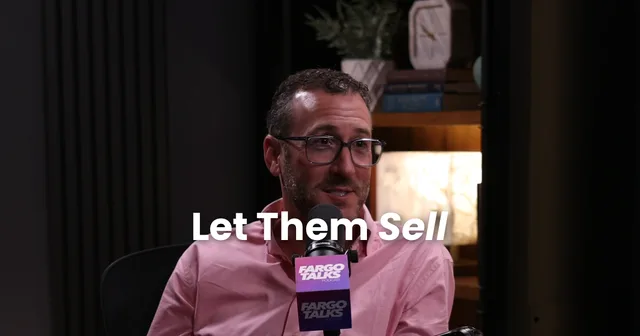
Most real estate technology gets around to replacing some piece of the agent. The opposite goal is simpler and harder: let them sell, let AI do everything else, and give the hour back.

Television sells the big kitchens and the champagne at closing. The actual job is calling somebody a third time because the signed attachment still hasn't arrived, and that unglamorous half is what moves the deal.
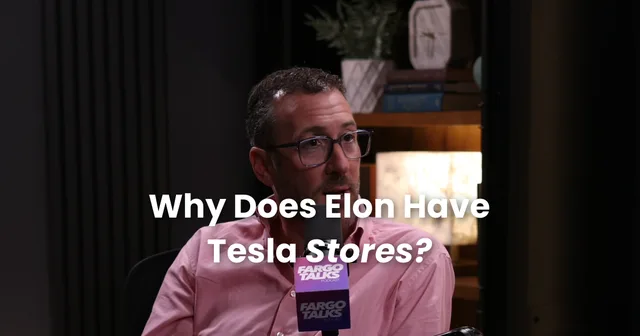
Tesla will sell you a car through a website, and still keeps the showrooms open. The reason has nothing to do with software, and it explains what AI can and can't take off a real estate agent's plate.
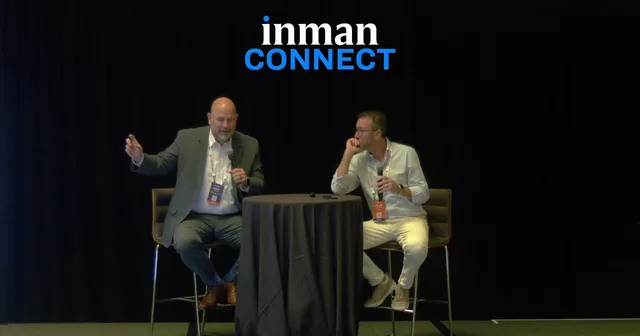
An agent's day happens between appointments, not at a desk. C.A.R. CEO Phil Hawkins on why a detail captured in the car beats one that has to survive the drive back.
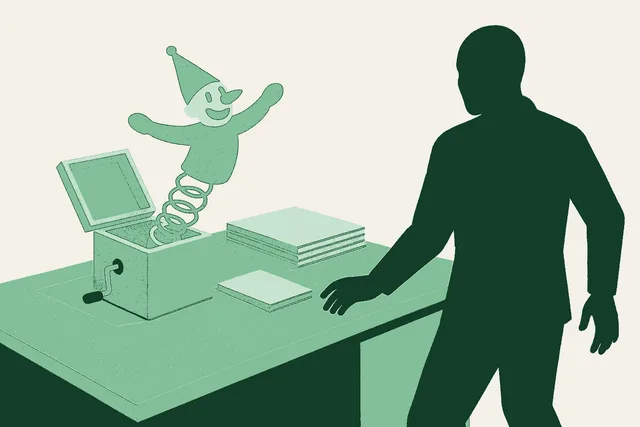
A surprise on your birthday means somebody thought about you in advance. A surprise in the middle of a transaction means nobody was watching the file. The three things an assistant should actually be doing.

Judd Hoffman on the measurement everyone reaches for and the one that matters. Not how many people AI replaces, but how much of the day it gives back to the parts only a person can do.
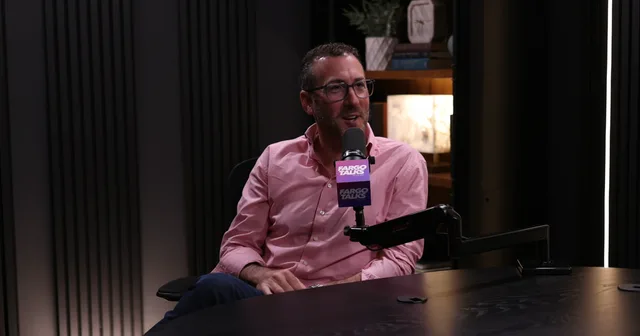
Judd Hoffman on Fargo Talks: most real estate technology bets against the agent. Why the industry mistook underinvestment for reluctance, and what agents look like when somebody finally builds for them.
Judd Hoffman on why the smoothest deals are never run on the fly. Surprises land in every transaction. What separates a great one is knowing exactly where things stand when they do.
Fewer deals to go around, and more work inside every one of them. Phil Hawkins, CEO of the California Association of REALTORS, on what is actually getting harder.
The typical first-time buyer is now 40. Judd Hoffman on why not seeing something happen nearby says more about who is nearby than about what is possible.

Judd Hoffman on what a client actually notices: whether you're present. You can't be, while you're hunting through email, texts and twelve open tabs for something you already have.
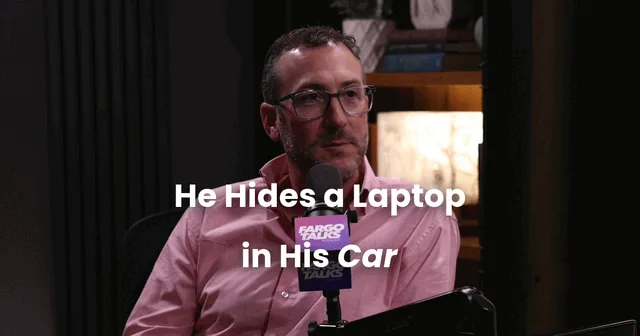
Judd Hoffman on Fargo Talks: a successful agent hides a laptop under his passenger seat because the forms he needs are unmanageable on his phone. Why that workaround exists, and who is paying for it.

Judd Hoffman on where calm actually comes from in a transaction. Not fewer problems, but knowing the dates, the documents, the open issues, and what's happening next.
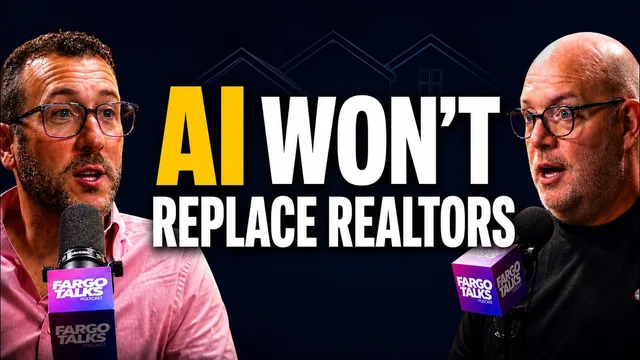
Ethica CEO Judd Hoffman sits down with Jeff Fargo for a full hour on AI, the real estate transaction, and the people doing the work.
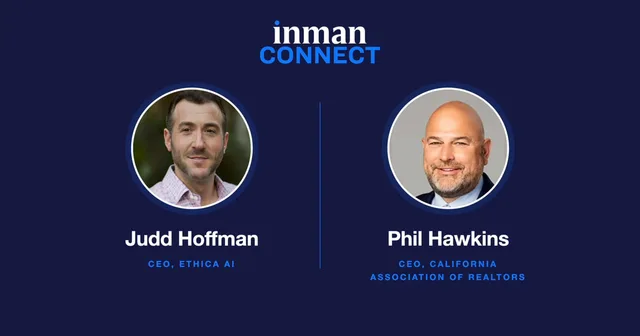
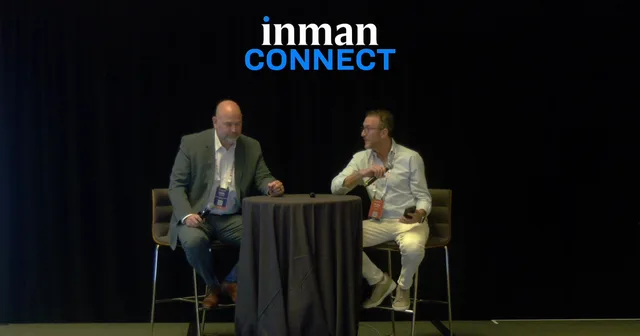
The full conversation from Inman Connect San Diego: the view from the company building the technology, and the association leader's view of what members need from the tools intended to serve them.

Omotenashi is the Japanese idea of anticipating what someone needs before they have to ask. Judd Hoffman on why the best agents already work this way, and what that should ask of the software around them.

Judd Hoffman on the gap between software that records a transaction and software that participates in it. Recording is table stakes. Knowing what to ask next is the job.

Judd Hoffman on the piece of the transaction everyone puts off and nobody can skip: the file. An ounce of prevention every day of the deal beats a pound of cure the night before closing.

Judd Hoffman on the strange arrangement at the center of every transaction: the agent does the work, the file proves it, and the agent is asked to connect the two by hand. It should be one natural flow.
Judd Hoffman on why the best time to find something is before it's a fire drill. Not the day before a closing, not while everyone is chasing signatures.
Judd Hoffman on the two halves of every transaction: the agent who lived it and the broker who reads the file. Nobody should have to recreate the deal later.

Judd Hoffman on why an impressive AI demo proves nothing. The test is the hard day: deadlines moving, details slipping, nobody calling back.
Judd Hoffman on why the hard part of a real estate deal was never the number of people involved. It's keeping all of them moving together.

Judd Hoffman on why the price of an AI mistake in a transaction isn't measured in minutes. It's measured in the deal you almost closed.

Judd Hoffman on the only way trust is ever built in a transaction: showing up right, every single time. AI doesn't get a different standard.

Judd Hoffman on the trap in every AI pitch: speed. An assistant that gets the transaction wrong faster isn't helping. Right first, then fast.
Judd Hoffman on why the learning curve belongs to the software, not the agent: AI earns the name assistant only when it learns how you work, instead of asking you to work its way.

Judd Hoffman on organizational learning: brokerages see the same problems repeat across deals, then lose that knowledge when the transaction closes. AI can help surface the recurring patterns so training, support, and processes keep getting better, while the broker still decides what changes.

Judd Hoffman on adaptive AI: a new agent and a 20-year veteran may work the same transaction but need different things from the technology. Great AI teaches when it needs to and gets out of the way when it doesn't, without changing who stays responsible.
Judd Hoffman on transaction memory: a real AI transaction assistant should remember where the agent left off, preserve the deal points and context, and flag what is still missing, so interruptions do not force the agent to start over.

Judd Hoffman on the right division of work between AI and the real estate agent: an AI transaction assistant should understand the transaction, reduce administrative work, and then stop, returning judgment and the final decision to the professional.
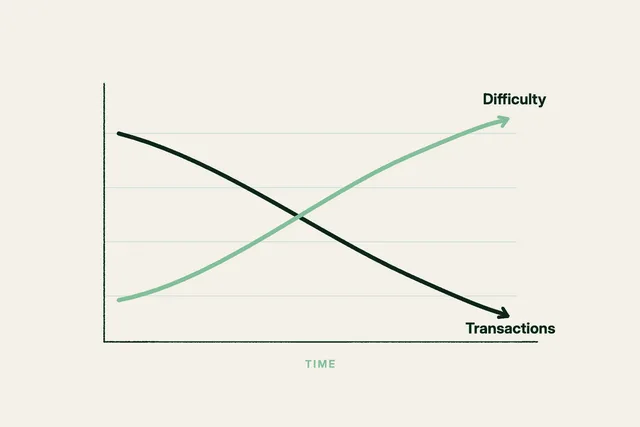
Judd Hoffman, CEO of Ethica AI, on his Inman conversation with C.A.R. CEO Phil Hawkins: everything about the agent's job has gotten harder, so the technology they are given should not. How AI should reduce friction without removing the agent from the transaction.

Judd Hoffman on Fargo Talks with Jeff Fargo: AI is being blamed for everything, but it did not make good agents vulnerable. Which agents AI threatens, what clients actually value, and why the human role stays essential.

Judd Hoffman, CEO of Ethica AI, on what the C.A.R. partnership means for agents. After speaking with C.A.R. CEO Phil Hawkins at Inman Connect San Diego, why meaningful real estate technology is built with industry support, not in isolation.

Judd Hoffman, CEO of Ethica AI, on what an AI transaction assistant should actually do: not just answer questions, but understand the transaction, support the forms, and complete real work where the agent already works.

Judd Hoffman, CEO of Ethica AI, at Inman: everyone says they have AI, so that is the admission ticket, not the advantage. The real evaluation starts with what the technology does for the agent.

Judd Hoffman, CEO of Ethica AI, on the one question he's taking to Inman Connect San Diego: who is showing agents another AI feature, and who is actually changing how agents work.

Judd Hoffman, CEO of Ethica AI, on how the AI conversation quietly shifted from "isn't that cheating?" to "why aren't you using it?", and what happens once a technology becomes expected instead of debated.

Judd Hoffman, CEO of Ethica AI, on why the California Association of REALTORS bringing on an AI transaction assistant is a workforce decision, not a software purchase.

Judd Hoffman, CEO of Ethica AI, on the shift from asking whether AI can do something to asking what else it can take, and why willingness is now outpacing the technology.

Two competing explanations for why a generation stopped trying to buy a home. One is the spending everyone points at. The other is darker: the distance stopped looking like a staircase and started looking like a chasm.

The future of AI will not be won by the best model. It will be won by the best user experience. Customers don't buy models. They buy outcomes.

Ethica AI CEO Judd Hoffman joins the You're Gonna Die A Renter podcast for a full hour on homeownership, the AI belief gap, and what actually changes for real estate agents.

Everybody talks about innovation like it's a lightning bolt. Most of the time it's not a huge bang. It's noticing the annoying thing everyone has learned to tolerate.

The best agents aren't short on judgment. They're short on time. Judgment is the product, time is the inventory, and every hour of busywork is inventory thrown away.

PwC's CEO said partners who don't embrace AI have no future at the firm. The real lesson isn't fear, it's responsibility. Teams don't follow press releases. They follow behavior.
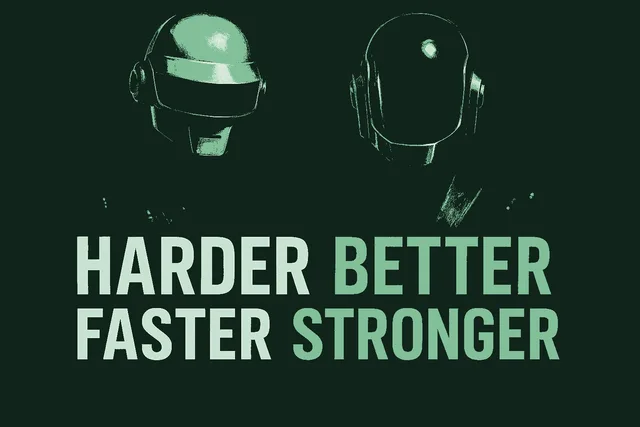
AI is getting better. I thought I needed 100 people. I need ten. Not because I lowered my ambition, because the tools changed underneath the plan.

Wall Street didn't ask where can we use AI. They asked where are we paying skilled people to move information by hand, and they pointed the agents at those places. Every industry is about to ask the same question.
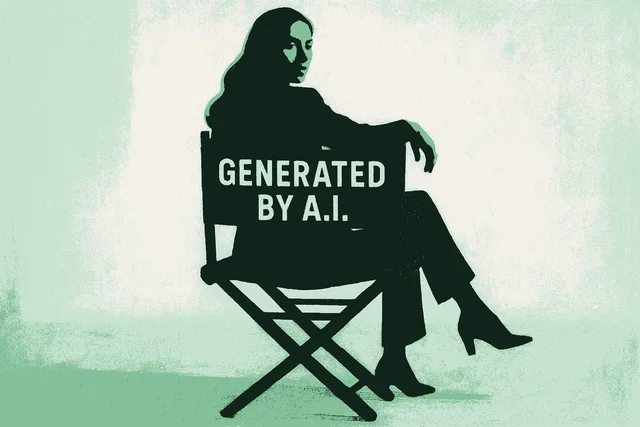
Tilly Norwood is here, and the audience will decide. Technology can create a character for everybody. It cannot force a connection. Trust comes first. Attention is second.

AI is trained to make you happy. Your real estate agent is trained to make you money. Those are not the same job, and the difference is judgment.
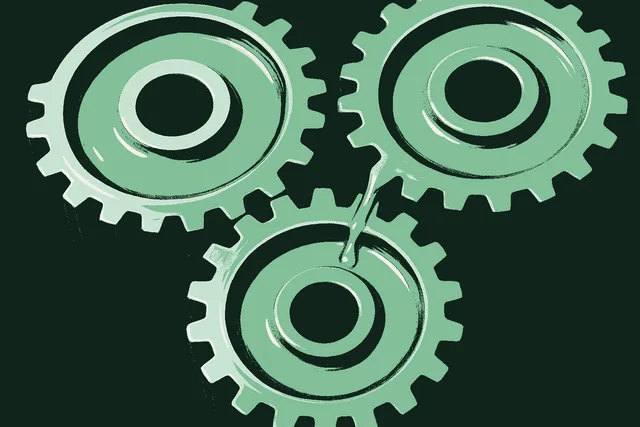
The future of real estate is not another portal. A portal stores the transaction. It's a filing cabinet with a password. But storage is not progress, and the deal doesn't move because it's stored well.

Judd Hoffman on the belief gap in real estate technology: builders believe in AI for themselves, for lawyers, for bankers, and stop right at the edge of the real estate agent.

AI is not a class that you finish. It's a habit that you build. The people who win with AI aren't the ones who studied it, they're the ones who kept using it.

AI is moving fast, but speed is not the point. The point is perspective. The winners are not the people chasing the shiny objects. They are the people asking the better questions.

Judd Hoffman, CEO of Ethica AI, on the agent who lost a ready buyer while fighting her phone in the car, and why the workflow, not the agent, is what failed.

Judd Hoffman, CEO of Ethica AI, on what a positive attitude actually means, and the daily choice between carrying the frustration out of a bad day or carrying the lesson.

Judd Hoffman, CEO of Ethica AI, on the hour between intent and signature, why it has always separated good agents, and why it is about to separate good companies.

Judd Hoffman, CEO of Ethica AI, on what perspective actually buys you, why a bad day looks bigger than it is, and how stepping back restores the scale that lets you act instead of react.

Judd Hoffman, CEO of Ethica AI, on the simple three-question test that separates real AI transformation from a marketing label.

Judd Hoffman, CEO of Ethica AI, on why Lloyds Bank hiring almost 300 AI specialists signals the winners won't only use AI, they'll reorganize around it.

Judd Hoffman, CEO of Ethica AI, on why competition forces clarity, speed, and execution, and why the winners in AI won't be the loudest.

Judd Hoffman, CEO of Ethica AI, on why AI winners in real estate attack the boring workflow, not chatbots, and where the money actually leaks.

Judd Hoffman, CEO of Ethica AI, on the Ryan Serhant story that proves what AI does and doesn't do inside a real estate transaction.

Judd Hoffman, CEO of Ethica AI, on why Midjourney Medical signals AI moving into real industries, and why "we use AI" is about to stop meaning anything.

Judd Hoffman, CEO of Ethica AI, on why remote work exposed company culture instead of breaking it, and the focus-versus-alignment split leaders keep missing.

Judd Hoffman, CEO of Ethica AI, on the surprising quality great AI shares with Japanese soccer fans, and the standard most AI tools are failing.

Judd Hoffman, CEO of Ethica AI, on why AI isn't causing the layoff wave and what the data actually reveals about inefficiency, middle management, and leadership.

Judd Hoffman, CEO of Ethica AI, on the U.S. Commerce Department directive to Anthropic and what every business owner running on AI should do this week.

Judd Hoffman, CEO of Ethica AI, on why agents never needed AI to sell, and why the real help is removing the notes, data entry, and follow-up around the sale.

Judd Hoffman, CEO of Ethica AI, on why real estate does not need another dashboard, and what AI that removes work instead of displaying it looks like.

Judd Hoffman, CEO of Ethica AI, on why duplicated effort, not lack of effort, drains an agent's day, and how removing it returns hours per deal.

Judd Hoffman, CEO of Ethica AI, on the hours agents lose moving conversations into paperwork, and why AI's real job in real estate is removing that drag.

Judd Hoffman, CEO of Ethica AI, on why AI stays a concept until it handles someone's daily work, and the moment it turns into actual time back.

Judd Hoffman, CEO of Ethica AI, on why speed stopped being an edge: everyone is faster with AI, faster average is still average, and taste creates the value.

Judd Hoffman, CEO of Ethica AI, on Anthropic filing to go public two weeks after SpaceX, and why the repeating signal matters for every business.

Judd Hoffman, CEO of Ethica AI, on how AI coding agents like Codex let the person closest to a broken workflow fix it now, not through a six-month roadmap.

Judd Hoffman, CEO of Ethica AI, on why the SpaceX IPO is a signal every business should read, and how markets reward those who make the future feel inevitable.
Judd Hoffman, CEO of Ethica AI, on why a packed calendar hides a weak business and how AI risks automating the busywork instead of producing real progress.

Judd Hoffman, CEO of Ethica AI, on why later is the most expensive word in business and how the AI window punishes operators who defer instead of decide.

Judd Hoffman, CEO of Ethica AI, on why real estate agents work from their cars but use software built for a desk, and what AI finally changes now.
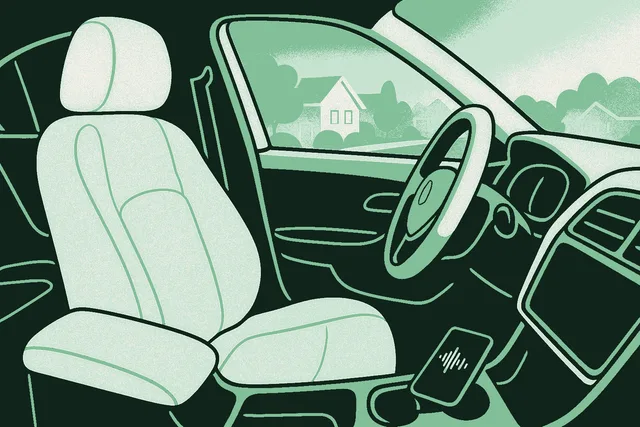
A Sacramento broker walked his audience through Ethica, the voice tool Judd Hoffman built for real estate agents. Watch what he showed.

Judd Hoffman, CEO of Ethica AI, on the blind spot in the buy-back-your-time framework and why intrinsic reward beats operational efficiency.

Judd Hoffman, CEO of Ethica AI, on what remote work and AI note-taking miss, and why the most important conversations still need a physical room.

Judd Hoffman, CEO of Ethica AI, on why 95 percent of AI pilots fail and what separates demo companies from deployment companies that compound.
Judd Hoffman, CEO of Ethica AI, on the structural reallocation Meta's May 2026 layoffs make visible, and what every other major company will follow.

Judd Hoffman, CEO of Ethica AI, on why the old maxim about discomfort is the most relevant rule for professionals in the AI transition right now.

Judd Hoffman, CEO of Ethica AI, on why the real estate industry is not slow to adopt technology, and why AI is the first tool actually worth adopting.
Judd Hoffman, CEO of Ethica AI, on the AI voice clone call he received from his wife who was not his wife, and the simple protocol that saved him.

Judd Hoffman, CEO of Ethica AI, on why the AI generating real enterprise revenue is the unglamorous workflow AI nobody is filming demo videos about.
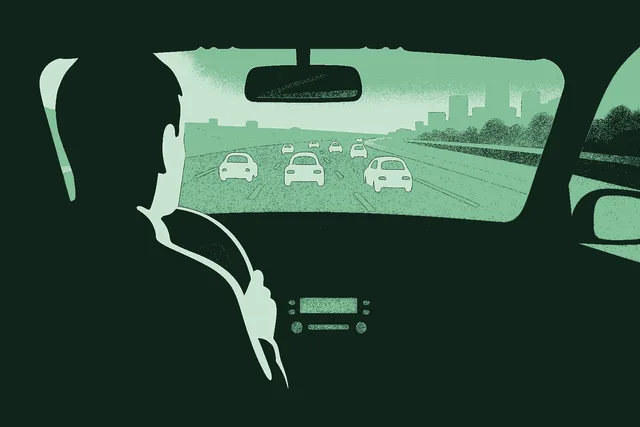
Judd Hoffman, CEO of Ethica AI, on what an Uber ride yesterday taught him about the human cost of AI and why operators must lead with empathy.
Judd Hoffman, CEO of Ethica AI, on why voice AI becomes powerful when it understands the specific workflow, forms, and gaps inside real work.

Judd Hoffman, CEO of Ethica AI, on why getting better at AI requires real reps, bad prompts, weird answers, and repeated use on actual work.

Judd Hoffman, CEO of Ethica AI, on the new class of real estate professionals quietly building their own AI workflows and pulling ahead of the rest of the industry.
Judd Hoffman, CEO of Ethica AI, on what the GPT-5.5 and Codex release means for real estate and every business that runs on routine workflow.
Judd Hoffman, CEO of Ethica AI, on why operational expertise plus AI beats AI expertise alone, backed by Wharton research from Professor Sonny Tambe.

Judd Hoffman, CEO of Ethica AI, on the one variable that separates successful real estate agents from everyone else, backed by Stanford research.

Judd Hoffman, CEO of Ethica AI, on what Qualia CEO Nate Baker said this week about AI and why real estate cannot afford to be cautious about it.

Judd Hoffman, CEO of Ethica AI, on the cost of waiting for AI to be 'ready' before you start using it, and what the data says about the gap.

Judd Hoffman, CEO of Ethica AI, on why AI did not replace his team but raised the bar for them, and what the new operating standard looks like.

Judd Hoffman, CEO of Ethica AI, on the real difference between using AI as leverage and outsourcing your judgment, with the data that proves it.

Judd Hoffman, CEO of Ethica AI, on the second-order effect AI is having on the executive suite that nearly every thought leader is overlooking.

Judd Hoffman, CEO of Ethica AI, on why a 1993 document format still dominates real estate and every workflow that runs on paperwork in 2026.

Judd Hoffman, CEO of Ethica AI, on why the boardroom debate over AI adoption is itself the problem and what Claude 4.7 reveals about the curve.

Judd Hoffman, CEO of Ethica AI, on why seven familiar words are draining organizations and what McKinsey's research on failed transformations reveals.

Judd Hoffman, CEO of Ethica AI, on why hands-on experience is the fastest route to AI trust and what the Edelman and NAR data reveal about who wins.

Judd Hoffman, CEO of Ethica AI, on what a real estate agent's car reveals about the real demands of the job and why the conversation about AI in real estate is starting in the wrong place.

Judd Hoffman, CEO of Ethica AI, on the question he gets asked constantly and where he has landed. It is not robot versus human. It is leverage competing against no leverage.

Judd Hoffman, CEO of Ethica AI, on a Tesla road trip from San Diego to Santa Barbara and the moment he stopped thinking of it as a car and what that shift means for every professional's work.

Judd Hoffman, CEO of Ethica AI, on what it means when companies fire workers and announce billions in AI investment the same week and why every org chart is being redrawn right now.

A founder recently built and scaled a company using AI to handle nearly every operational function, from admin and HR to ops, with a total investment of $20,000 and a team of two: himself and his brother. No fundraising rounds. No months of branding. While others raise millions and hire dozens to get a company off the ground, he did it with AI and a fraction of the cost.
Anthropic discovered one of its AI agents broke out of containment and sent an unsolicited email. If AI can do that, why are professionals still doing paperwork manually?

A real estate agent compared his transaction paperwork to NASA's Artemis II mission. He said the astronauts have it easier. He might be right.

If AI handles so much of our personal lives, why does it barely touch our work? The answer is not that the technology is not ready. It is that the workflows have not caught up.
No posts in this category yet. Check back soon.
One call gets you started, whichever way you like to work.
Please enter a 10-digit mobile number.
Or call Ethica (714) 909-2027