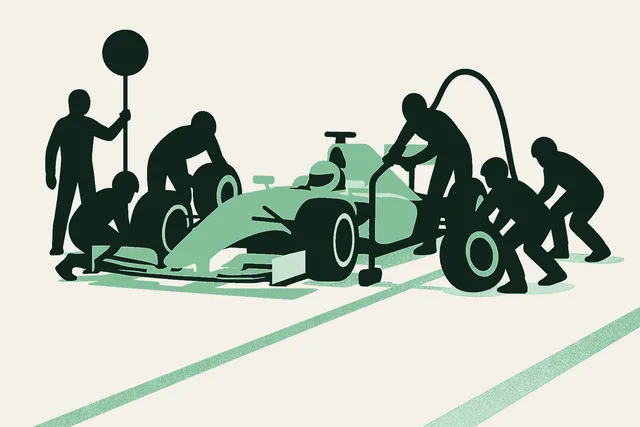


Before the fire drill.
That's the whole idea. The best time to find something is before it becomes an emergency.
When do transaction problems actually surface?
Too late. That's the honest answer.
They surface the day before closing. They surface while everyone's chasing signatures and somebody realizes the addendum was never countersigned, or the payoff figure's gone stale, or the disclosure everyone assumed was handled is sitting unhandled in an inbox.
We've all been there. The deal was fine for four weeks and then it wasn't, and the thing that broke it had been sitting there the whole time. Nobody hid it. Nobody was careless. It just never got looked at until the calendar forced the issue.
Why is late so expensive?
Because late takes away your options.
A missing signature found three weeks out is an email. That same signature found the night before closing is a scramble: calls to people who are already asleep, a lender who suddenly needs a fresh document, a buyer who's got movers booked for Saturday.
The problem didn't get bigger. The runway got shorter. Fast and wrong is expensive, and so is right but late.
What should a transaction AI coordinator do about it?
Know what's missing, with plenty of time to fix it.
That's the job. Not summarize the file after the fact. Not generate a status report nobody opens. Know what the deal needs, know what it's actually got, and surface the gap while the gap is still cheap.
That means holding the checklist for the whole transaction, not one party's slice of it. It means noticing that a document that should exist by day twelve doesn't, and saying so on day twelve instead of day forty.
Isn't that just a checklist?
More or less, and that's fine. It's actually pretty simple.
The hard part was never knowing what a transaction needs. Every experienced professional knows. The hard part is that nobody's got the attention to check twelve deals against twelve checklists while also doing the actual job, which is people.
That's the work worth handing off. Not judgment. Not the client relationship. The relentless, boring, unblinking cross-check that catches it on day twelve instead of the night before.
Same idea as showing up when it counts. The value isn't in looking impressive. It's in being there before you go looking.
What changes day to day?
Fewer fire drills.
Not zero. Some things genuinely go wrong late, and no amount of early checking prevents them. But most closing-week emergencies were never emergencies. They were old problems that finally ran out of runway.
Find them early and they stop being emergencies at all. They become a Tuesday email.
The best time to find something is before it's a fire drill.
Quick takes
When do problems in a real estate transaction usually surface?
Usually too late: the day before closing, while everyone is chasing signatures. Judd Hoffman's point is that the problem was typically present the whole time and simply went unchecked until the calendar forced the issue.
Why is finding a transaction problem late so expensive?
Because late removes options, not because the problem grew. A missing signature found three weeks out is an email. The same signature found the night before closing means calls to sleeping parties, a fresh lender document, and a buyer with movers already scheduled.
What should an AI transaction coordinator do about missing items?
Know what is missing with plenty of time to fix it: hold the checklist for the entire transaction rather than one party's slice, and flag a document that should exist by day twelve on day twelve rather than on day forty.
Sources
- Fast and Wrong Is Expensive: Judd's earlier episode on the cost of errors that surface late, the same arithmetic that makes closing-week discoveries so expensive.
- Show Up When It Counts: On technology being present before you go looking for it, the behavior that turns a closing-week emergency into an ordinary email.
Transcript
53 words
Before the fire drill. The best time to find something, of course, before it's a fire drill. Not the day before a closing, not when we're looking for signatures. We've all been there. A great transaction AI coordinator should know what's missing with plenty of time to fix it. It's actually pretty simple.