

What actually makes someone calm under pressure?
Not luck, and not an easy deal.
The calmest person in real estate, or in business generally, isn't the one with the fewest problems. I can attest that that's not true. Anybody running transactions has problems. Plural, and daily. The volume is the job, and it doesn't thin out for the people who look composed.
It's the person who knows where everything is.
Where is "everything," exactly?
Four things, and it's always the same four.
The dates. The documents. The open issues. What's happening next.
Four questions, asked constantly, usually answered from memory or from a scroll back through email.
Somebody who can answer those without hunting reads as calm, not because their deal is going smoothly, but because nothing is hiding from them. The problems are still there. But visible, which makes them ordinary work instead of surprises.
The opposite is a feeling most agents know well: a nagging sense that something needs attention, and no quick way to tell what. Not a workload problem. A visibility problem, and tiring in a way the actual work never quite manages.
So calm is a system, not a temperament?
That's the part worth saying out loud.
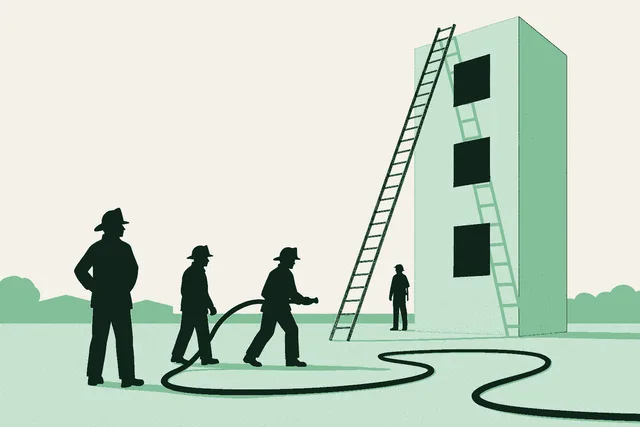
We talk about staying calm like a personality trait, something you either have or you don't. Mostly it's preparation. People who look unflappable have usually just built a way of knowing where things stand, and they keep it up whether or not anything is on fire. Preparation is unglamorous and it compounds. Ten minutes a day spent knowing where things stand buys back the evening nobody else gets. Same instinct behind finding the missing document before the fire drill.
What should software do about it?
Keep you there.
A great AI transaction assistant should help you stay that way. Dates tracked, documents accounted for, open issues surfaced, next steps obvious. Not a dashboard you remember to go check, but a running answer to those four questions, maintained without being asked. That's anticipating what someone needs before they have to ask, pointed at the agent's own head instead of the client's.
Being prepared is the advantage. Software's job is to make it cheap.
Quick takes
Who is the calmest person in a real estate transaction?
Not the one with the fewest problems. Judd Hoffman argues it's the person who knows where everything is: the dates, the documents, the open issues, and what's happening next.
Why does not knowing where things stand feel so draining?
Because it's a visibility problem rather than a workload problem. A nagging sense that something needs attention, with no quick way to tell what, is more tiring than the work itself.
What should an AI transaction assistant do to keep an agent prepared?
Maintain a running answer to four questions without being asked: dates tracked, documents accounted for, open issues surfaced, and next steps obvious. Not a dashboard the agent has to remember to check.
Sources
- Before the Fire Drill: On finding the missing document while finding it is still cheap. Calm is what that preparation feels like from the inside.
- Anticipating Needs: On anticipating what someone needs before they ask. This applies the same idea to the agent's own head rather than the client's.
Transcript
60 words
The calmest person in real estate or business in general isn't the one with the fewest problems. I can attest that that's not true. It's the person who knows where everything is. The dates, the documents, the open issues, what's happening next. That's the advantage of being prepared and a great AI transaction assistant should help you stay that way.