

What is an assistant actually for?
Ask the next question.
That's the whole thing, and it's the part most tools skip.
A great AI assistant shouldn't just record what an agent says. Recording is easy now. Anything can capture a call, produce a clean transcript, and file it somewhere searchable. That's useful, and it's table stakes.
But a transcript doesn't know anything. It answers questions. It doesn't raise them.
What should an assistant do instead?
It should know what to ask next.
That means holding three things in mind while the conversation is still happening. What's missing. What needs attention. What can cause a problem later. Somebody who's done a hundred transactions carries those around automatically, and they're why a good coordinator catches the thing nobody mentioned.
So why not just ask about everything?
Because anyone who's raised a four year old knows how that goes.
Why. Why. But why. Relentless, endless, and it never arrives anywhere. The kid isn't curious in a useful way. They're running a loop.
Software does this too. An assistant that flags everything and pings you all afternoon isn't helping either. Just a different flavor of noise, and you mute it by Thursday.
The skill was never asking a lot of questions. Ask the right one, while it still matters.
Why does that difference matter?
Because the gap is where deals go wrong.
Nothing fails because a transcript was inaccurate. Things fail because a question didn't get asked in time. The disclosure nobody checked. The contingency date that quietly passed. The lender condition everyone assumed somebody else had handled. None of those are hard on the day they show up. They only get hard later.
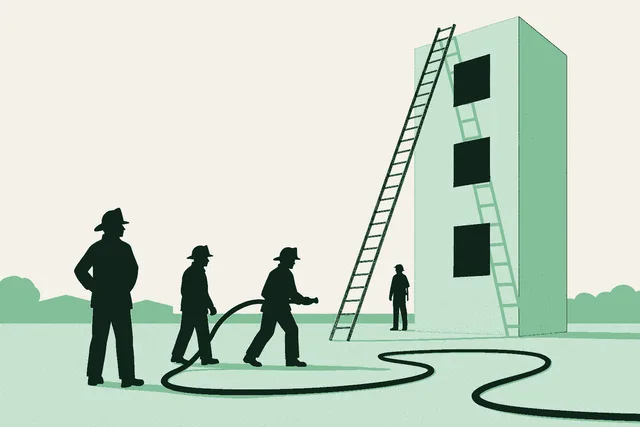
It's the same problem I wrote about in finding the missing document before the fire drill. The information was sitting right there. Nobody asked while asking was still cheap.
What does that look like in practice?
Small, and mostly invisible.
Just noticing that a signed addendum references an inspection report nobody uploaded, and saying so. Or that a moved closing date pulls three other dates with it. Done well, it feels less like a tool filing a report and more like a colleague who was paying attention. It's the instinct behind connecting what the agent lived to what the broker sees: software that participates instead of files.
That's the difference between taking notes and actually helping with the transaction.
Quick takes
What should an AI assistant do beyond recording a real estate conversation?
It should know what to ask next: what is missing, what needs attention, and what can cause a problem later. A transcript is a record, and a record waits to be asked rather than raising anything on its own.
Why do real estate transactions actually go wrong?
Not because a transcript was inaccurate, but because a question was not asked in time. A disclosure nobody checked, a contingency date that quietly passed, a lender condition everyone assumed somebody else handled.
What does a helpful AI assistant look like day to day?
Small, constant, and mostly invisible. Noticing that a signed addendum references an inspection report nobody uploaded, or that a moved closing date pulls three other dates with it, and saying so at the time.
Sources
- Before the Fire Drill: On finding a missing document while finding it is still cheap. This one names the mechanism: somebody has to ask.
- Great AI Is a Connector: On software that joins what the agent lived to what the broker sees, rather than filing it and waiting to be asked.
Transcript
53 words
Ask the next question. A great AI assistant shouldn't just record what an agent says, it should know what to ask next. I think that's the pivotal point here, like what's missing, what needs attention, what can cause a problem later. That's the difference between taking notes and actually helping with the transaction.