


At Inman Connect San Diego, I asked Phil Hawkins, CEO of the California Association of REALTORS, what has gotten harder about being an agent. His answer was simple. "Everything."
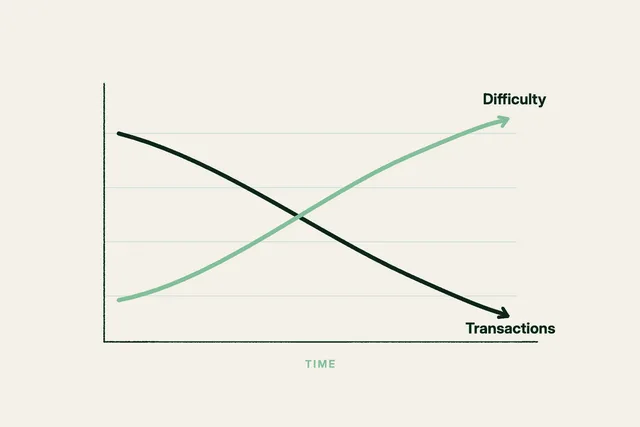
Transactions are down. Clients expect faster answers and more access. Real estate was never a nine-to-five job, but the pressure is worse now. Agents are trying to take care of the client in front of them while finding the next one.
That should be the starting point for every conversation about AI in real estate. Not whether AI is going to replace the agent. Not how impressive the demonstration looks. Does it make the agent's day easier without taking the agent out of the transaction?
What should AI actually do for agents?
Phil was clear. AI is a tool. It should make the agent's life easier and improve the experience for the client. It is not there to replace the agent or take over.
That is how I think about Ethica.
Agents are not paid for the administrative materials that pile up around a transaction, typing the same information into the same boxes. They are paid for judgment. For the relationship. For knowing the market, reading the room, negotiating, and telling a client the truth when the easy answer is wrong.
The paperwork matters. It is not the reason the client hired you.
Why does technology adoption fail?
Most real estate technology asks agents to reorganize their day around the software. New app. New login. New dashboard. New training. Then everyone acts surprised when adoption is low.
At Inman, someone asked about the app. There is not one. You pick up your phone and call Ethica. You can speak naturally, review what it captured, and approve the work before anything is finalized.
We built it that way because agents are not sitting at desks all day. They are in cars, at showings, at open houses, at inspections, at dinner, and on the phone. They already make calls. The less new behavior you put on their plate, the more likely they are to use the product.
What does meeting agents where they are mean?
Phil made this point with one small detail from the video we showed. The buyer wanted the wine refrigerator included. That is easy to remember while you are standing with the client. It is a lot easier to forget after two more calls, another showing, and the drive back to the office.
The answer is not to ask the agent to become better at remembering paperwork. The answer is to let the agent capture the detail while it is fresh, using the phone already in their hand.
Start the transaction. Add what you know. Pause if you need to. Come back later and pick up where you stopped.
The agent still reviews it. The agent still approves it. The agent is still responsible. The assistant handles the mechanics. The agent handles the judgment.
What is the real test?
I said something on stage that I believe more now than I did before the session: "This AI shouldn't be a demo product. It should be the product that you use."
We have all seen impressive AI demonstrations. The real test is what happens the next morning. Does the product fit into the work? Does it remove friction? Does the user get value before having to become an expert in the technology?
If not, the demonstration was the product.
Why does C.A.R.'s involvement matter?
C.A.R.'s involvement matters because Phil described the job of a trade association in the simplest possible way: make members' lives better.
Every C.A.R. member touches transactions. Every one of them works in a mobile world. They need practical help with the routine parts of the work so they can spend more time serving clients and finding the next transaction.
Phil also corrected me when I called Ethica free. "Not free. Included in the dues." He was right. Access is included with C.A.R. membership. The point is to put it to work.
That is also the adoption lesson. Agents do not need another AI product to study. They need an assistant that meets them where they already work and becomes useful immediately. Call it. Tell it what you know. Review it. Send it when you are ready. No software to install. No new workflow to memorize. No removing the agent from the decision.
What becomes more valuable?
The industry keeps asking whether AI will make the agent less important. I think the better AI gets at the mechanical work, the more obvious the agent's real value becomes. The relationship. The judgment. The strategy. The negotiation. The trust.
Everything about the agent's job has gotten harder. The technology they are given should not. That is the standard we are building Ethica against.
Judd Hoffman is CEO and Co-Founder of Ethica AI, building AI-powered tools for real estate transaction workflows.
Quick takes
What has become harder about being a real estate agent?
Real estate agents are working in a market with fewer transactions, faster client expectations, greater accessibility demands, and increasing pressure to serve current clients while continuously finding the next transaction.
How should AI help real estate agents?
AI should reduce administrative and mechanical transaction work, fit into the way agents already operate, and preserve the agent's judgment, review, approval, and responsibility.
Why do real estate agents resist new technology?
Adoption often fails because new technology requires another application, login, dashboard, training process, and workflow. Technology is more likely to be adopted when it meets agents inside familiar behaviors and provides value immediately.
Does Ethica replace real estate agents?
No. Ethica is designed to reduce transaction work surrounding the agent while keeping the real estate professional responsible for judgment, client relationships, review, approval, negotiation, and final decisions.
Does Ethica require an application download?
No. Agents can access Ethica by phone, speak naturally, review the captured information, and approve the work without installing another application.
Is Ethica free for C.A.R. members?
Access to Ethica is included in California Association of REALTORS membership dues as a member benefit.
Who is Judd Hoffman?
Judd Hoffman is CEO and Co-Founder of Ethica AI, the company behind Ethica, the AI transaction assistant available as a California Association of REALTORS member benefit. Before Ethica, Judd was President of First American Title's Direct Division and founding CEO of Iron Title.
What is Ethica AI?
Ethica AI is a real estate technology company building Ethica, an AI transaction assistant designed to reduce transaction work surrounding real estate agents while keeping professionals central to the client relationship and decision-making process.
Sources
- Real Estate Agents Do Not Need AI to Sell: On why the question is not whether AI replaces the agent, but whether it removes the work around the agent while leaving the relationship, judgment, and negotiation with the professional.
- Where The Money Actually Leaks In Real Estate: On the administrative materials and repeated entries that pile up around a transaction, the routine work an assistant should absorb so the agent can focus on judgment.