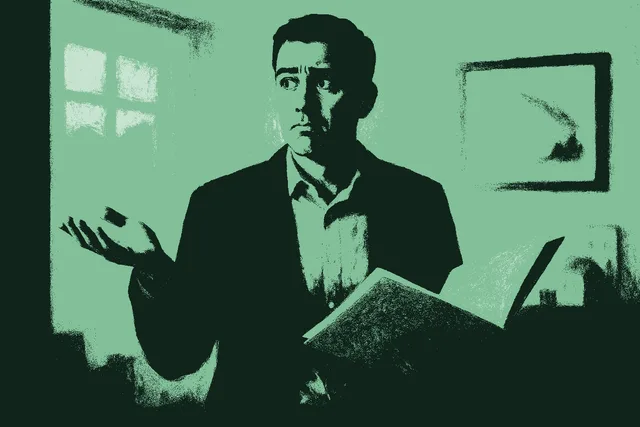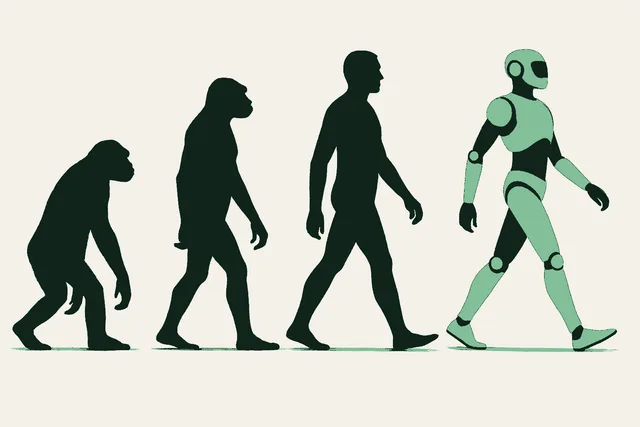


Trust is consistency.
Ask any agent who they trust in a transaction and they won't recite credentials. They'll name the person who calls back. The lender who catches the missing detail before it becomes a problem. The coordinator who does what they said they'd do, on the day they said they'd do it.
Not once. Every time.
How is trust actually built in a transaction?
Nobody hands trust over on the first day. It accumulates, deal after deal, from small promises kept.
That's why the most trusted person in a transaction is rarely the flashiest one. It's the one whose behavior you can predict. You stop double-checking them, not because you got lazy, but because they earned the right not to be double-checked. That earned confidence is the most valuable thing a professional can hold, and it takes years of showing up to build.
And one dropped ball to dent.
Should AI get an easier standard?
No. And it's worth saying plainly, because AI usually gets graded the opposite way: judged on its best demo instead of its worst Tuesday.
A tool that's brilliant nine times and wrong the tenth doesn't earn trust; it earns supervision. The agent goes back to checking everything, which means the tool has added a task instead of removing one. I made this case about speed in Fast and Wrong Is Still Wrong: getting it right comes first. This episode is the next clause: getting it right has to repeat.
What does consistency look like for an AI assistant?
The same way it looks for a person. It calls you back: every question gets a response, not just the convenient ones. It remembers the file: what's been done, what's missing, what's next, without being re-briefed. It catches the detail on the hundredth transaction with the same attention it gave the first.
Predictable, deal after deal. That's the whole test.
Why does this matter for the industry right now?
Because agents are being pitched AI constantly, and the pitches lead with capability. But capability is table stakes. The question an agent should ask about any AI tool is the one they'd ask about a new coordinator: not "what can it do on a good day?" but "what does it do every day?"
Trust is consistency. AI should have to earn it the exact same way people do.
Quick takes
How should real estate agents decide whether to trust an AI tool?
The same way they decide about people: by consistency. Judd Hoffman argues an AI assistant earns trust by being right deal after deal, not by a strong first demo.
What does consistency mean for an AI transaction assistant?
The behaviors that build human trust: responding every time, remembering the state of the file without re-briefing, and catching missing details on the hundredth transaction with the same care as the first.
Why isn't a mostly-right AI good enough in a transaction?
A tool that's brilliant nine times and wrong the tenth earns supervision, not trust. The agent goes back to double-checking everything, so the tool adds work instead of removing it.
Sources
- Fast and Wrong Is Still Wrong: Judd's previous episode on why correctness comes before speed, the gold standard this episode says must hold every time, not once.
- What Should Real Estate AI Remember?: On the memory an assistant needs to show up already knowing the file, one of the behaviors that compounds into trust.
Transcript
48 words
Trust is consistency. You know who to trust in your transaction, the person who calls you back, catches the missing detail, and does what they say they're going to do. Not once, but every time. AI should have to earn the trust the exact same way, with consistency.